
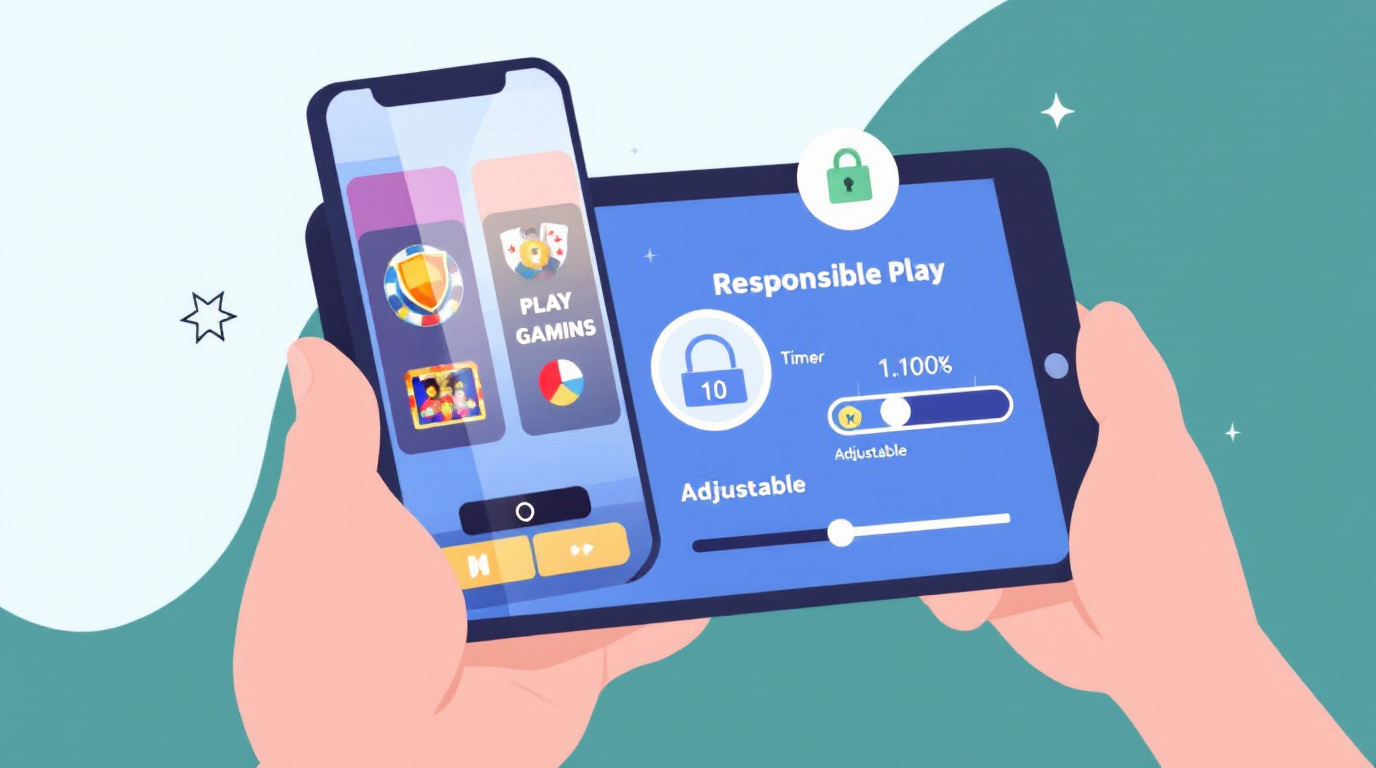
As Philippine online gaming experiences unprecedented growth, responsible play limits have emerged as a critical safeguard against gambling-related harm. The surge in digital casino popularity, accelerated by increased internet penetration and mobile accessibility, has prompted urgent regulatory responses from government agencies, industry stakeholders, and casino operators themselves.
The evolving landscape encompasses multiple layers of protection, from PAGCOR’s comprehensive regulatory framework to the Bangko Sentral ng Pilipinas’ innovative payment restrictions. This multi-stakeholder approach reflects growing societal concerns about gambling addiction while recognizing the economic contributions of the gaming industry, creating a complex regulatory environment that continues to adapt to emerging challenges and technological innovations.
Legal and Regulatory Framework for Responsible Gaming
The Philippine regulatory landscape for responsible gaming has undergone significant transformation in recent years, with new legislation and enhanced enforcement mechanisms taking effect. The 2024-2025 period has witnessed the implementation of stricter anti-money laundering provisions, enhanced player protection measures, and comprehensive stakeholder consultation processes that shape the current regulatory environment.
Recent developments include pending legislation addressing online gaming taxation, enhanced KYC procedures, and the BSP’s draft circular on digital payment limitations for gaming transactions. These regulatory initiatives demonstrate the government’s commitment to balancing industry growth with consumer protection, while maintaining transparency through extensive stakeholder engagement and public consultation processes.
| Law/Regulation | Year | Key Responsible Gaming Provision | Enforcement Body |
|---|---|---|---|
| PAGCOR Responsible Gaming Code | 2024 | Mandatory self-exclusion tools, session limits, player protection protocols | PAGCOR |
| Enhanced AML Regulations | 2024 | Minimum age 21, enhanced KYC, transaction monitoring | AMLC/PAGCOR |
| BSP Gaming Payment Circular | 2025 (Draft) | Daily transaction caps, cooling-off periods, payment restrictions | BSP |
| Data Privacy Gaming Amendment | 2024 | Player data protection, consent mechanisms, vulnerability screening | NPC/PAGCOR |
Responsible Gaming Code of Practice (PAGCOR) Essentials
PAGCOR’s comprehensive Code of Practice establishes the foundation for responsible gaming operations across all licensed platforms. The code mandates specific player protection mechanisms that operators must implement as conditions of their licensing agreements.
- Self-Exclusion Systems – Operators must provide multiple channels for players to exclude themselves, including permanent, temporary, and customizable time-based exclusions with immediate effect upon request.
- Session Time Limits – Mandatory implementation of gaming session duration controls, including automatic logout features and cooling-off period enforcement after extended play sessions.
- Financial Protection Measures – Required deposit limits, loss limits, and spending controls that players can set and modify, with mandatory waiting periods for limit increases.
- Player Risk Assessment Tools – Automated systems to identify problematic gambling patterns, trigger intervention protocols, and provide resources for problem gambling support.
- Educational Resource Requirements – Operators must provide comprehensive information about gambling risks, odds disclosure, and access to professional gambling addiction services.
Central Bank Policies and Payment Limitations
The Bangko Sentral ng Pilipinas has introduced groundbreaking payment restrictions specifically targeting online gaming transactions. These measures include daily cash transfer limits set at 20% of account balance, mandatory 24-hour cooling-off periods for high-value transactions, and transaction caps that vary based on player risk profiles and account verification levels.
The BSP’s draft circular establishes minimum top-up amounts to discourage frequent small deposits that may indicate compulsive behavior, while implementing real-time transaction monitoring systems that flag unusual spending patterns. Payment service providers are required to enforce these restrictions at the infrastructure level, ensuring compliance regardless of the gaming platform used.
Player Verification and Eligibility Controls
Philippine online casinos implement comprehensive player verification systems that go beyond basic identity confirmation to include sophisticated risk assessment and age verification protocols. The minimum age requirement of 21 years is strictly enforced through multi-layer verification processes that include biometric authentication, facial recognition technology, and cross-referencing with government databases.
Enhanced KYC procedures require players to complete verification within 72 hours of account creation, during which limited functionality is available. Operators utilize advanced identity verification technologies, including document scanning, liveness detection, and behavioral biometrics to ensure account security and prevent underage access.
Player risk assessment forms an integral part of the verification process, with operators required to evaluate gambling history, financial capacity, and behavioral indicators that might suggest vulnerability to gambling-related harm.
- Biometric Identity Verification – Advanced facial recognition and fingerprint scanning technology ensures accurate age and identity confirmation while preventing multiple account creation
- Government Database Cross-Reference – Real-time verification against PSA records, voter registration, and other official databases to confirm eligibility and detect fraud attempts
- Financial Capacity Assessment – Income verification and affordability checks help operators set appropriate spending limits and identify potential financial vulnerability
- Behavioral Risk Screening – AI-powered analysis of registration patterns, device fingerprinting, and early gaming behavior to identify high-risk players
- Enhanced Security Protocols – Multi-factor authentication, secure payment verification, and ongoing account monitoring to maintain account integrity
- Minor Protection Systems – Advanced age verification technology, parental control integration, and strict penalties for platforms that fail to exclude underage users
- Continuous Monitoring – Ongoing verification of player status, regular re-authentication requirements, and automatic account reviews based on activity patterns
Fraud Prevention and AML Procedures
Anti-money laundering procedures in Philippine online gaming encompass sophisticated transaction monitoring systems that analyze spending patterns, source of funds verification, and suspicious activity reporting. Operators must maintain detailed records of all transactions exceeding PHP 50,000 and submit monthly reports to relevant authorities detailing high-value transactions and unusual activity patterns.
ID verification processes include multi-document authentication, utility bill confirmation for address verification, and enhanced due diligence for high-value players. The AML framework requires operators to implement risk-based monitoring systems that automatically flag transactions meeting specific criteria, triggering manual review and potential account restrictions until compliance is verified.
Types of Responsible Play Limits
Philippine online casinos offer a comprehensive suite of responsible play limits designed to help players maintain control over their gambling activities. These limits range from mandatory regulatory requirements to optional player-controlled tools, each serving specific protective functions within the broader harm reduction framework.
The enforcement mechanisms vary between operator-managed systems and payment service provider controls, creating multiple layers of protection. Technology-driven safeguards include real-time monitoring, automatic enforcement, and user experience features designed to promote awareness of spending and time investment.
Unique aspects of the Philippine system include the integration of mandatory cooling-off periods with optional limits, sophisticated UX interventions that prompt limit-setting, and the distinction between temporary and permanent restrictions based on player preference and risk assessment outcomes.
| Limit Type | Description | Enforcement Method | Availability (PH Platforms) |
|---|---|---|---|
| Daily Deposit Limit | Maximum amount that can be deposited in 24-hour period | Automatic blocking at payment gateway level | Universal (Required) |
| Session Duration Limit | Maximum continuous gaming time before forced break | Automatic logout with cooling-off period | Universal (Required) |
| Weekly Loss Limit | Maximum net losses allowed within seven-day period | Real-time calculation with game restriction | Major platforms (Optional) |
| Self-Exclusion | Temporary or permanent account suspension | Complete platform access blocking | Universal (Required) |
| Reality Check Alerts | Periodic notifications about time and money spent | Pop-up interruptions during gameplay | Most platforms (Required) |
| Bet Size Limits | Maximum wager amount per game round or session | Game-level restriction with override prevention | Select platforms (Optional) |
Deposit and Transaction Limits
Daily maximum transfer limits are typically set at 20% of verified account balance, with minimum top-up amounts designed to discourage frequent small deposits that may indicate compulsive gambling behavior. These limits are enforced jointly by gaming operators and payment service providers, creating redundant protection mechanisms that prevent circumvention through multiple payment methods.
Enforcement details include real-time balance monitoring, cross-platform transaction tracking for players with multiple accounts, and mandatory waiting periods for limit increases. Payment service providers maintain separate monitoring systems that complement operator-level controls, ensuring comprehensive coverage regardless of the specific gaming platform or transaction method used.
Gaming Session Controls and Cooling-Off Periods
Session control mechanisms represent some of the most innovative aspects of Philippine responsible gaming implementation. These systems go beyond simple time tracking to include sophisticated behavioral analysis and intervention protocols.
- Six-Hour Maximum Session Limit – Automatic logout after continuous gaming periods exceeding six hours, with mandatory cooling-off periods before re-entry is permitted
- 24-Hour Cooling-Off After Intensive Use – Extended break requirements triggered by patterns indicating excessive gambling, including rapid bet escalation or extended losing streaks
- Forced Break Intervals – Regular interruptions during gaming sessions with reality check notifications and spending summaries to promote self-awareness
- Dynamic Session Adjustment – AI-powered systems that modify session limits based on individual player behavior patterns and risk indicators
- Progressive Warning System – Escalating alerts as players approach session limits, providing multiple opportunities to voluntarily end sessions before forced logout
Self-Exclusion and Player-Led Safeguards
Self-exclusion represents the most comprehensive player protection tool available in Philippine online casinos, offering multiple pathways for players to restrict their own gambling access. The system supports various exclusion durations, from short-term cooling-off periods to permanent account closure, with sophisticated technology ensuring compliance across platforms and payment channels.
Players can customize their gaming experience through granular controls that extend beyond simple account suspension to include specific game restrictions, communication preferences, and financial limit modifications. DigiPlus and other leading platforms have pioneered user-friendly interfaces that make self-exclusion accessible through simple in-app processes, reducing barriers to seeking help when needed.
The self-exclusion process integrates with regulatory databases to ensure cross-platform compliance, preventing excluded players from simply moving to different operators during their restriction period.
- Initial Request Submission – Players can request self-exclusion through multiple channels including mobile app, website portal, customer service hotline, or direct regulatory contact with immediate temporary restriction upon request
- Verification and Processing – Identity confirmation and exclusion parameter setting, including duration selection, scope definition (platform-specific or industry-wide), and communication preference establishment
- Immediate Account Restriction – Automatic blocking of gaming access, payment processing suspension, marketing communication cessation, and customer service protocol activation for support resource provision
- Regulatory Database Registration – Entry into PAGCOR’s responsible gaming register with cross-platform sharing to prevent circumvention through alternative operators or platforms
- Ongoing Monitoring and Support – Regular check-ins during exclusion period, resource provision for gambling addiction support, and structured re-evaluation process for exclusion modification or removal
- Reactivation Protocol – Mandatory cooling-off period completion, counseling requirement verification, and graduated re-entry options with enhanced monitoring for high-risk players
How to Request Self-Exclusion
The self-exclusion request process has been streamlined to ensure accessibility during crisis moments when players may be experiencing gambling-related distress. Most Philippine platforms offer instant temporary exclusion through mobile apps, with permanent exclusion options requiring additional verification steps to prevent impulsive decisions during winning streaks or temporary frustration.
Responsible gaming registers maintained by PAGCOR play a crucial role in ensuring exclusion effectiveness, with regular audits and compliance monitoring to verify operator adherence to exclusion requests. Regulatory review processes include periodic assessment of exclusion effectiveness and modification of requirements based on emerging best practices and international standards.
Managing Personal Play and Setting Limits
Effective personal play management requires proactive limit-setting before gambling sessions begin, utilizing available tools to create structured boundaries around gaming activities.
- Proactive Time Management – Set daily and weekly time limits during low-stress periods, use calendar blocking to schedule gambling activities, and establish clear start and stop times for gaming sessions
- Financial Boundary Setting – Determine affordable loss amounts based on discretionary income, set deposit limits below maximum affordable amounts, and create separate banking arrangements for gambling funds
- Smart Notification Configuration – Enable all available alert systems, customize notification frequency and content, and ensure notifications interrupt gameplay effectively rather than appearing as dismissible pop-ups
- Regular Limit Review and Adjustment – Schedule monthly limit evaluations, track actual spending against intended limits, and utilize mandatory waiting periods for increases as reflection opportunities
Operator and Platform Compliance Measures
Philippine online casino operators implement comprehensive compliance frameworks that extend beyond regulatory minimums to include advanced technological solutions and proactive player protection measures. These systems undergo regular auditing by PAGCOR-approved third parties, with both routine scheduled reviews and surprise compliance assessments to ensure ongoing adherence to responsible gaming standards.
Technology integrations include sophisticated geo-fencing systems that prevent access from restricted locations, certified random number generators with transparent audit trails, and real-time transaction surveillance systems that monitor for suspicious patterns. Reporting requirements mandate detailed monthly submissions covering player complaints, self-exclusion statistics, problem gambling interventions, and compliance incidents.
Non-compliance sanctions range from warnings and fines to license suspension or revocation, with PAGCOR maintaining a public database of enforcement actions to ensure industry transparency and accountability.
| Compliance Feature | Implemented By | Purpose | Audit Mechanism |
|---|---|---|---|
| Real-Time Transaction Monitoring | All Licensed Operators | AML compliance and problem gambling detection | Monthly PAGCOR review plus quarterly independent audit |
| Geo-Fencing Technology | Platform Operators | Restrict access from prohibited locations | Technical verification during license renewal |
| Certified RNG Systems | Game Providers | Ensure fair play and prevent manipulation | Annual third-party certification with random testing |
| Player Communication Logs | Customer Service Teams | Document problem gambling interventions | Quarterly review of intervention effectiveness |
| Marketing Compliance Systems | Marketing Departments | Prevent targeting of vulnerable populations | Pre-approval required for all promotional content |
Marketing and Advertising Restrictions
Marketing compliance extends beyond content restrictions to include sophisticated targeting limitations and mandatory responsible gaming messaging. All promotional materials must include prominent warnings about gambling risks, with specific requirements for font size, placement, and language accessibility across different demographic groups.
- Mandatory Pop-Up Warnings – Responsible gaming messages must appear before promotional content, with minimum display times and user acknowledgment requirements
- Content Review Protocols – All advertising materials require pre-approval from PAGCOR-certified compliance officers, with particular scrutiny for youth appeal and addiction triggers
- Vulnerable Group Protection – Prohibited targeting of individuals with gambling exclusions, minors, or those showing signs of financial distress through spending pattern analysis
- Opt-Out Framework Implementation – Easy unsubscribe mechanisms for all marketing communications, with permanent exclusion options and cross-platform communication blocking capabilities
Challenges, Trends, and Societal Impact
Implementation of responsible gaming measures faces significant challenges, particularly in enforcement across the diverse landscape of Philippine online gaming platforms. Technical barriers include the difficulty of monitoring player behavior across multiple platforms, while legal challenges center on the debate between outright prohibition versus regulated harm reduction approaches that currently dominate policy discussions.
Rising addiction concerns have generated considerable media attention, with documented cases of significant financial losses and family disruption attributed to online gaming activities. Support groups and advocacy organizations have emerged to address these concerns, though access to professional treatment remains limited outside major urban centers.
Current trends indicate increasing technological sophistication in player monitoring systems, with artificial intelligence and machine learning applications becoming standard tools for identifying at-risk behavior patterns. The regulatory landscape continues evolving toward international best practice alignment, with particular focus on European Union standards for digital consumer protection.
Advocacy efforts have intensified, with civil society organizations pushing for stricter controls while industry groups emphasize economic benefits and voluntary compliance measures. Platform-user education initiatives have expanded significantly, though effectiveness measurement remains inconsistent across different operator approaches to responsible gaming communication.
Industry Innovations and Future Directions
Artificial intelligence-driven player monitoring represents the cutting edge of responsible gaming technology, with systems capable of identifying problematic gambling patterns before traditional indicators become apparent. These advanced systems analyze betting patterns, session duration, emotional indicators through gameplay behavior, and financial stress signals to provide early intervention opportunities.
Future developments include expanded integration of biometric monitoring, real-time financial health assessment tools, and international data sharing agreements that prevent problem gamblers from circumventing protections by moving between different regulatory jurisdictions. International alignment efforts focus on harmonizing responsible gaming standards with established markets while maintaining local regulatory sovereignty over implementation details.
Public Perceptions and Policy Debates
Philippine society remains divided on online gaming, with economic benefits including job creation, tax revenue, and technological innovation weighed against concerns about social costs and moral implications. Religious organizations, particularly the Catholic Church, have advocated for complete prohibition, while business groups emphasize regulatory approaches that maximize benefits while minimizing harm.
Policy debates center on the effectiveness of current harm reduction strategies versus more restrictive approaches adopted in other jurisdictions. Lawmakers continue grappling with balancing individual freedom, economic development, and social protection objectives, with ongoing legislative discussions reflecting these competing priorities and the complex challenge of regulating digital entertainment in a rapidly evolving technological environment.